Share:
Beyond the Numbers: The Genomic Fragility of Europe’s Gray Wolves
A Hidden Threat in Recovery
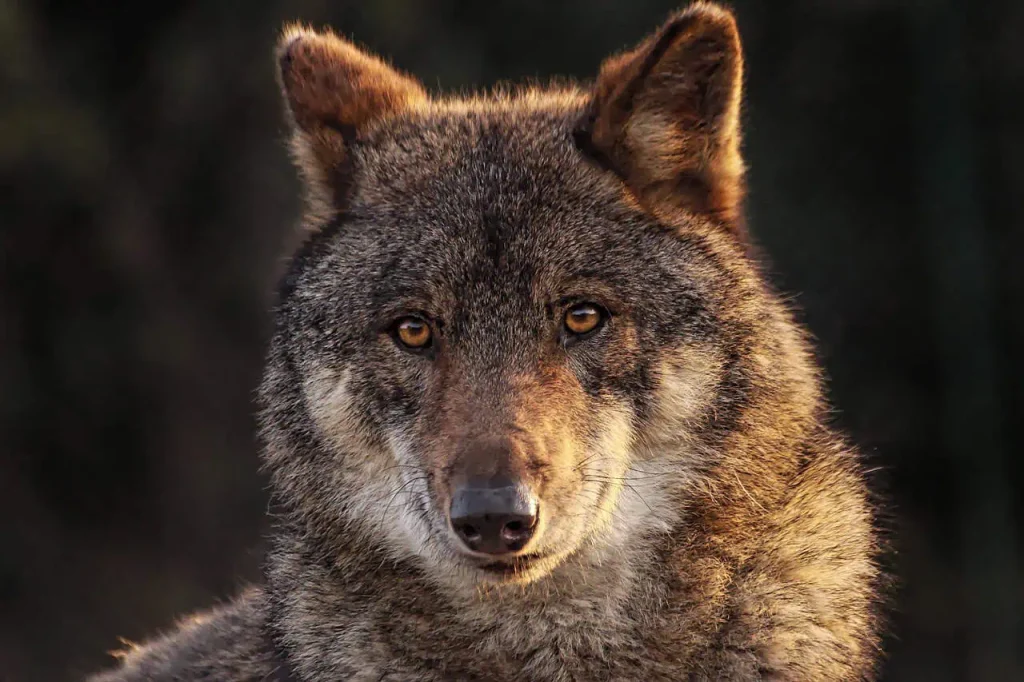
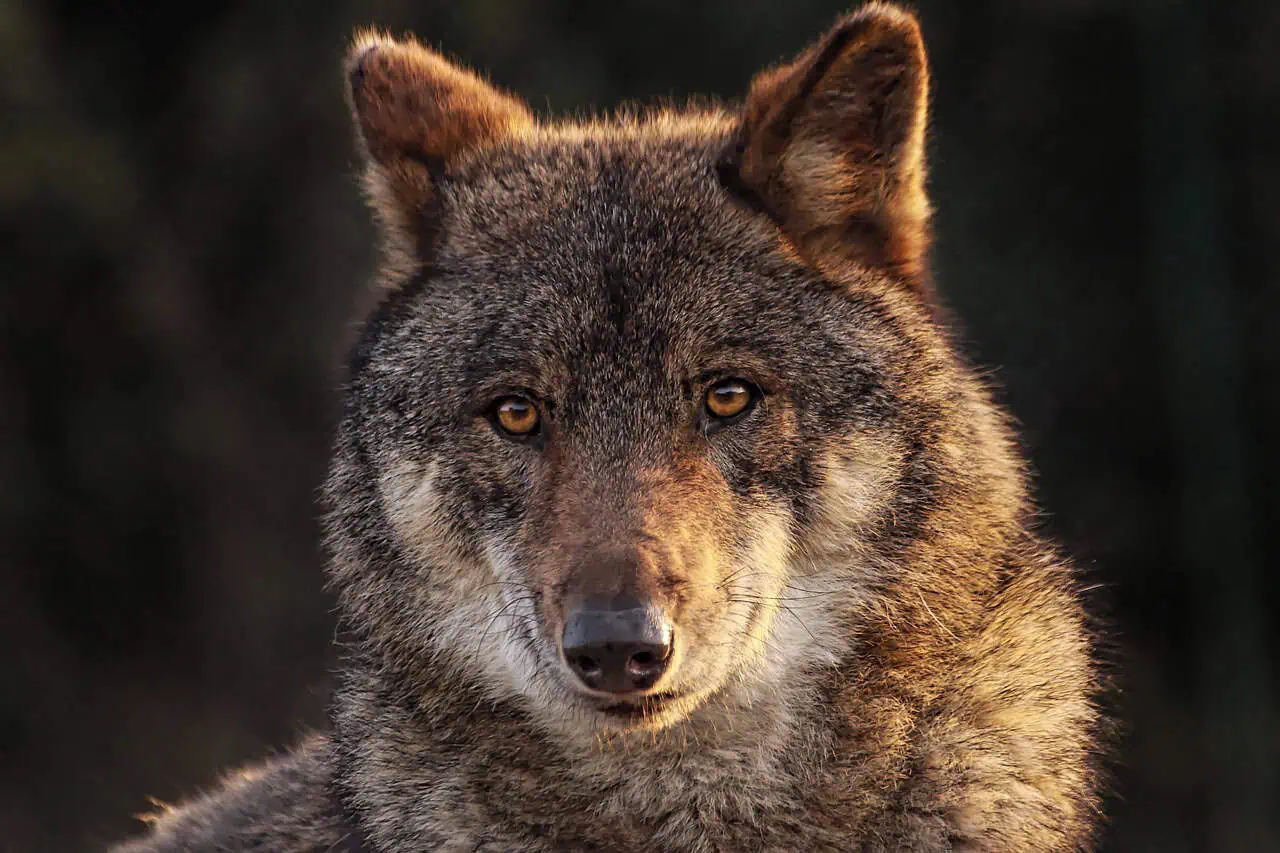
Europe is witnessing what appears to be a remarkable wildlife recovery story. After centuries of persecution, habitat loss, and population declines, gray wolves (Canis lupus) are recolonising much of their former range. Today, the estimated population exceeds 21,000 individuals, and wolves are increasingly visible in landscapes across central and western Europe. At first glance, this demographic rebound seems to signal a conservation triumph. Governments and policymakers, interpreting these numbers, have even relaxed legal protections in some regions, granting more flexibility for lethal control and management interventions. However, recent genomic research suggests that the story of European wolves is more complex and far less reassuring than census numbers might imply.
A team of researchers led by Sara Ravagni and colleagues analyzed over 200 whole genomes from wolves across Europe and Türkiye, revealing a mosaic of genetically distinct, isolated populations rather than a single, recovering metapopulation. The study, currently available as a preprint on bioRxiv, highlights that despite the apparent demographic recovery, European wolves remain at significant risk of genetic erosion and inbreeding, which threaten their long-term survival. These findings challenge assumptions that European wolves are now secure and underscore the importance of incorporating genetic data into conservation assessments.
A Mosaic of Wolves
The study focused on five major European wolf populations: the Italian Peninsula, Iberian Peninsula, Dinaric-Balkan, Karelian, and Scandinavian wolves. Each of these populations represents a distinct lineage, largely isolated for thousands of years. Genetic analyses revealed deep divergences among these groups, most tracing back to the late Pleistocene. In practical terms, this means that what looks like a single, recovering species across Europe is in fact a collection of independently evolving lineages, each with its own evolutionary history, vulnerabilities, and genetic identity.
Using advanced genomic tools, the researchers examined effective population size (Ne), a key measure of genetic health that reflects the number of individuals contributing genetically to the next generation. For long-term viability, conservationists generally consider Ne ≥ 500 to be necessary, with Ne ≥ 50 as the short-term minimum to avoid inbreeding depression. Alarmingly, all five European wolf populations studied fell below this threshold, with some, like the Italian Peninsula and Scandinavian wolves, approaching or even below the critical short-term boundary. Inbreeding coefficients were high, particularly in isolated populations, and the proportion of deleterious genetic variants realized within genomes indicated emerging risks of inbreeding depression.
Why Census Counts Can Be Misleading
The findings reveal a key disconnect between visible population recovery and underlying genetic health. While census numbers in Europe are increasing, genomic recovery has not kept pace. Wolves may appear abundant in certain regions, but their genetic diversity—the raw material for long-term adaptation and resilience—is severely constrained. The Italian Peninsula population, for example, shows extensive signs of historical bottlenecks and prolonged isolation, while Scandinavian wolves, founded by just three immigrants from Karelia in the 1980s, display extreme genetic drift and recent inbreeding.
This genetic fragility has practical consequences. Populations with low genetic diversity are less able to adapt to environmental change, disease, or human pressures. Inbreeding depression can manifest as reduced fertility, higher mortality, and increased susceptibility to disease. Even if wolves appear to be recovering numerically, these underlying vulnerabilities make them precariously close to the brink in evolutionary terms.
Legal Protections and Natural Recolonisation
Despite these risks, the natural recolonization of wolves in Europe demonstrates the effectiveness of legal protection and habitat connectivity. Unlike in North America, where active reintroduction programs supported wolf recovery, European wolves have expanded their range largely through natural dispersal from remnant refugial populations in southern and eastern peninsulas. This natural rebound underscores the importance of maintaining legal safeguards, as well as the ecological versatility of wolves, which can thrive in human-modified landscapes when protections are in place.
However, the study warns against complacency. Relaxing protections based solely on apparent population growth could exacerbate genetic risks. Policies that allow increased lethal control or habitat fragmentation threaten to depress already low effective population sizes further, accelerating inbreeding and eroding adaptive potential. The recent extinction of the Sierra Morena wolf population in southern Spain serves as a stark reminder of how quickly isolated, genetically compromised lineages can disappear when conservation measures are relaxed.
The Role of Genomics in Conservation
The European wolf case illustrates the growing importance of genomic data in wildlife conservation. Traditional monitoring methods, including population counts and range mapping, provide only partial information about species health. Genome-wide analyses reveal hidden vulnerabilities that cannot be detected through census data alone. By examining genetic diversity, inbreeding, and the distribution of deleterious variants, scientists can identify populations at risk, guide management interventions, and prioritize conservation resources.
For European wolves, the implications are clear. Each of the five populations analyzed should be treated as a separate management unit, with strategies tailored to its unique genetic and demographic context. Measures could include facilitating connectivity between populations to increase gene flow, protecting critical habitats, and maintaining legal protections until effective population sizes are sufficient to ensure long-term viability.
Conservation Policy and Public Perception
One challenge highlighted by the study is the gap between public perception and biological reality. Wolves are often perceived as overabundant in areas where they are recolonizing landscapes, particularly when they come into conflict with livestock farming. This perception has contributed to political pressure to downlist protections, yet the genomic data indicate that these populations remain genetically vulnerable. Communicating these findings effectively to policymakers and the public is critical for ensuring informed decisions that balance human-wildlife coexistence with long-term conservation objectives.
The research also highlights the broader principle that demographic recovery does not automatically equate to genetic recovery. Wolves may be visibly thriving in terms of numbers and range, but without genetic health, these populations remain at risk of long-term decline. Conservation frameworks, including the European Union’s Habitats Directive and the Global Biodiversity Framework, increasingly recognize the importance of incorporating genetic criteria into assessments of favorable conservation status. This study provides concrete evidence supporting the integration of genomics into policy decisions.
Lessons Beyond Wolves
European wolves are emblematic of a broader conservation challenge: reconciling visible recovery with underlying genetic stability. Many species that have rebounded from historical declines may still harbor hidden vulnerabilities that threaten their long-term survival. Applying genomic tools can help conservationists detect these risks early, guide targeted interventions, and ensure that populations not only survive but thrive in the face of environmental change.
Moreover, the study underscores the importance of legal protection in facilitating natural recolonization. Wolves are recolonizing Europe primarily because of protections and ecological opportunity, not because of intensive management programs. This suggests that maintaining robust legal frameworks and connectivity corridors can be an effective, cost-efficient strategy for conserving wide-ranging species.
A Call to Action
The message from the genomes is unambiguous: European wolves have returned to much of their historical range, but they are not yet safe. Conservationists, policymakers, and the public must look beyond apparent population growth to consider the genetic health of these populations. Effective conservation requires protecting both numbers and diversity, ensuring that wolves retain the evolutionary potential necessary to adapt to future challenges. Failure to do so risks repeating the mistakes of the past, when isolated populations were lost despite seemingly stable numbers.
This research represents a critical step toward more informed wolf management in Europe. By integrating genomic data into conservation planning, Europe can ensure that wolf populations are truly viable over the long term. It also serves as a model for other species, illustrating how modern genomics can reveal hidden risks and guide more effective, evidence-based conservation strategies. The survival of Europe’s gray wolves—and the ecological roles they play—depends not just on their return, but on safeguarding the genetic foundations that will allow them to thrive for generations to come.
References and Further Reading
Ravagni, S., Battilani, D., Salado, I., et al. (2026). Misleading Success: Genomes Reveal Critical Risks to European Gray Wolves. bioRxiv. https://doi.org/10.64898/2026.03.20.713253