Share:
How Feral Horses and Cattle Are Shaping Europe’s Landscapes
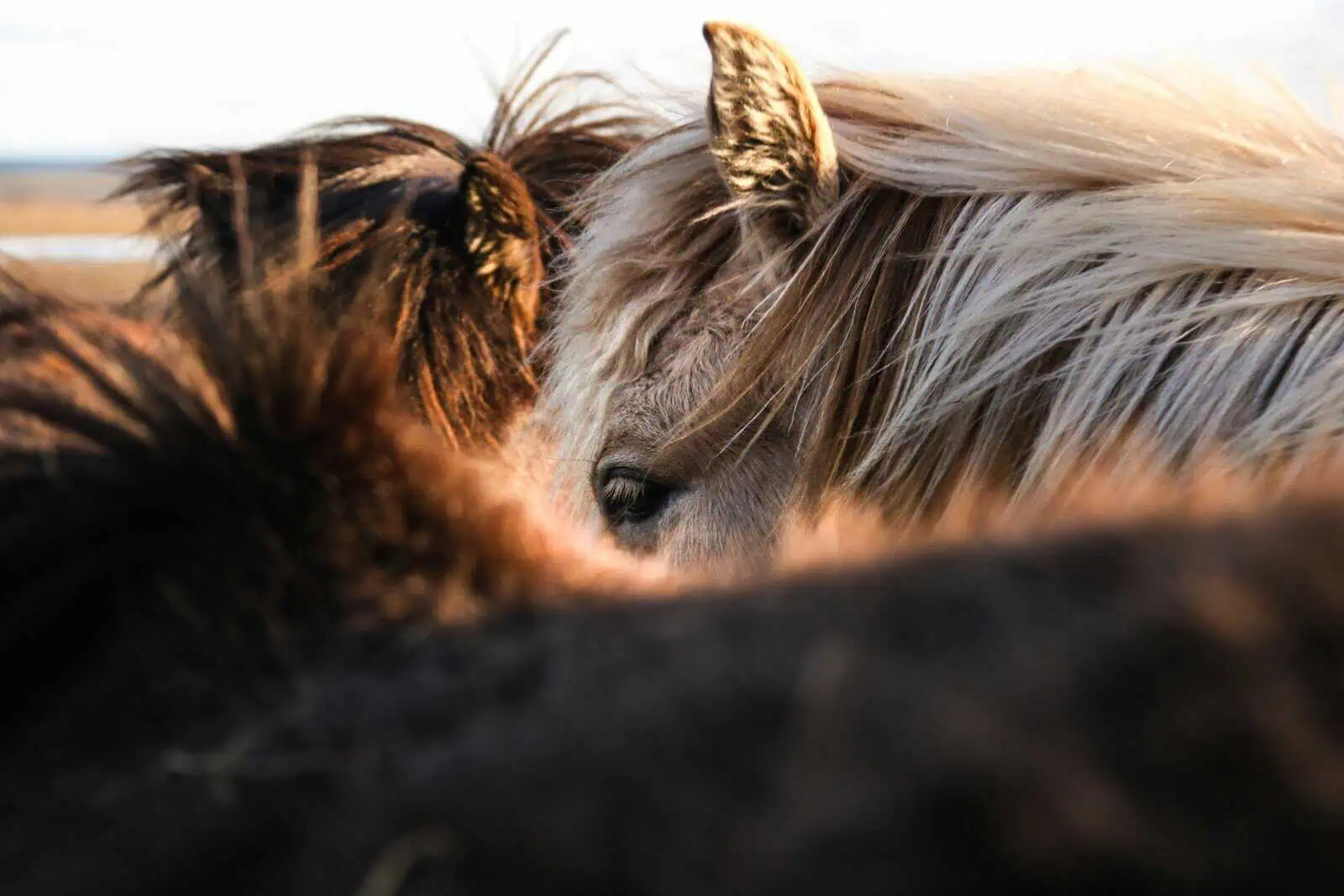
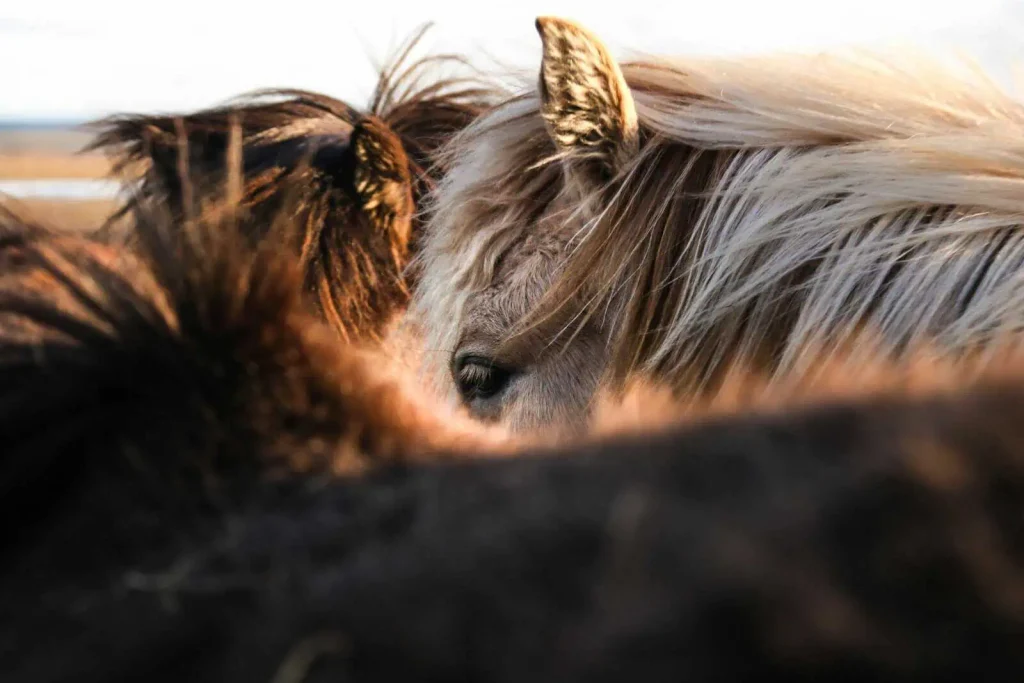
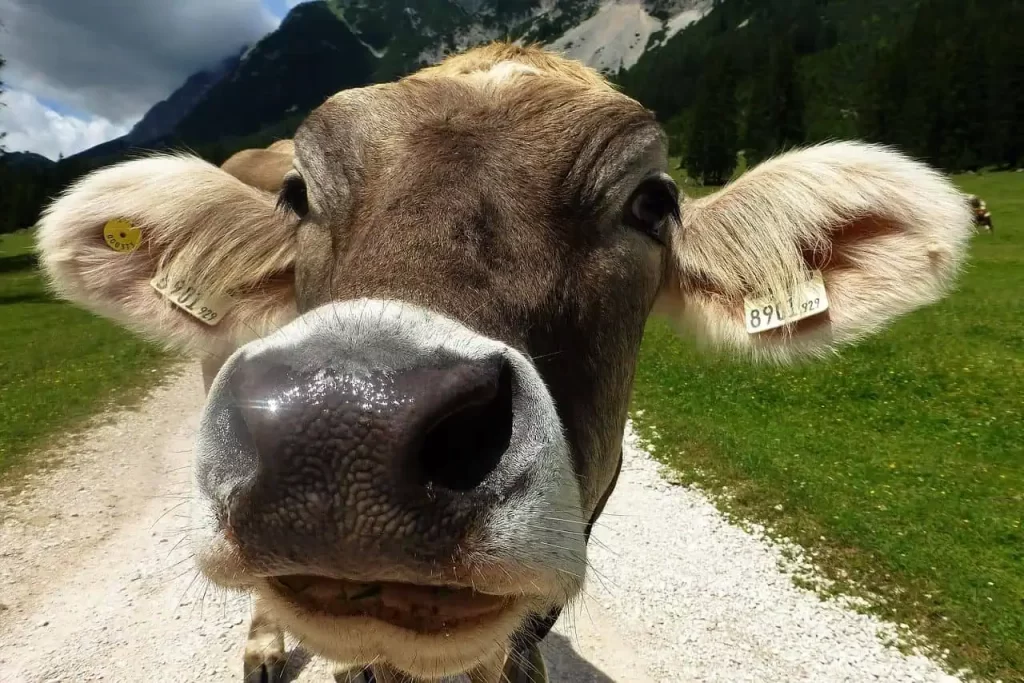
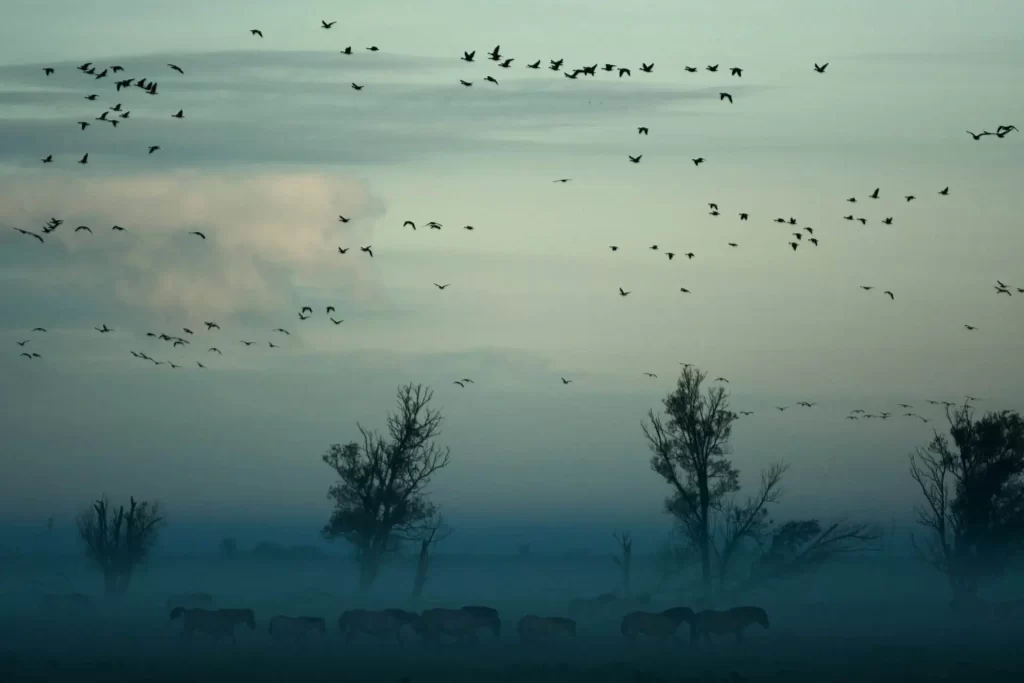
On a crisp morning in Denmark, a herd of feral horses grazes quietly across a 120-hectare rewilding reserve. Nearby, cattle wander, chewing slowly through patches of grass and shrubs, occasionally retreating to a simple wooden shelter. To the casual observer, it might look like a pastoral scene frozen in time. But beneath this serene surface, a complex ecological experiment is quietly unfolding—a living demonstration of how large herbivores shape landscapes and the biodiversity that depends on them.
For centuries, Europe’s landscapes have been defined by human hands. Forests were cleared, fields tilled, and grazing animals were herded and confined. This human-driven mosaic created an ecosystem where open grasslands and light-demanding plant species thrived—but only under continual management. When land use ceases, nature begins to reclaim it. Shrubs and trees spread, open fields darken, and many specialized plants and insects disappear. Today, much of temperate Europe is on a slow march toward dense, shadowed woodlands—a process known as vegetation succession.
Rewilding aims to reverse this trend. By reintroducing large herbivores, conservationists hope to restore self-regulating ecosystems reminiscent of those that existed before widespread human alteration. In northern Europe, this often means substituting extinct wild species like aurochs (Bos primigenius) and wild horses (Equus ferus) with modern cattle (Bos taurus) and horses (Equus ferus caballus). The idea is simple: these animals graze, trampling and browsing vegetation, keeping the landscape open, and creating opportunities for light-demanding plants and insects to persist.
Yet, the success of this approach depends on understanding not just that these animals eat plants, but how they move across the landscape, where they choose to feed, and how their presence affects vegetation patterns over time. Until recently, these questions were difficult to answer. But a team of ecologists in Denmark has brought new clarity by tracking GPS-collared horses and cattle and combining their movement data with satellite observations of vegetation productivity. The results, published in a recent study, reveal both predictable patterns and surprising behaviors.
Grazers Follow the Green—but Not Always
One of the key findings is that both horses and cattle are drawn to open vegetation. This is not surprising: grasslands and short shrubs provide easy grazing and minimize the energy needed to move through dense brush or forest. The animals’ movement patterns, analyzed across seasons, confirmed that areas with lower vegetation density and higher connectivity were favored by both species. Horses, it turns out, tend to roam more widely than cattle, exploring forest edges and patches of shrubs that cattle generally avoid. But both species diverge in their choices when resources become scarce, particularly during winter. Horses maintain a more varied diet, supplementing grasses with leaves from deciduous trees, while cattle rely more heavily on shrubs, especially brambles like Rubus species.
The study also revealed a less expected behavior: both horses and cattle were strongly attracted to a single artificial shelter in the reserve. Despite abundant natural alternatives, the animals repeatedly returned to this human-made structure, highlighting the influence of infrastructure on space-use patterns. It’s a reminder that even in rewilded systems, subtle human interventions can steer animal behavior in ways that may not always align with ecological goals.
Grazing Shapes Vegetation—and Resilience
Beyond movement patterns, the researchers wanted to understand how grazing affects vegetation structure at the landscape scale. By overlaying animal GPS data with satellite-derived vegetation indices, they discovered a clear correlation: areas heavily used by herbivores remained more open, with lower vegetation density, while lightly used areas experienced denser growth. In other words, the presence of these grazers slows the natural progression toward shrub-dominated or forested landscapes.
Interestingly, these highly used areas were also more sensitive to environmental stress, particularly the pan-European drought of 2018. Vegetation in grazing hotspots experienced rapid declines in greenness during the drought but bounced back faster than less-frequented areas once rains returned. This resilience suggests that grazing not only shapes plant structure but may also enhance ecosystem recovery following extreme events—a crucial insight as climate change increases the frequency of droughts and heatwaves in temperate Europe.
When herbivore populations declined by roughly two-thirds after the drought, the landscape greened, but this recovery did not correspond neatly with the previous intensity of grazing. This highlights the nuanced interplay between herbivore activity, climate events, and vegetation dynamics, emphasizing that managing landscapes is rarely straightforward.
Diversity Matters
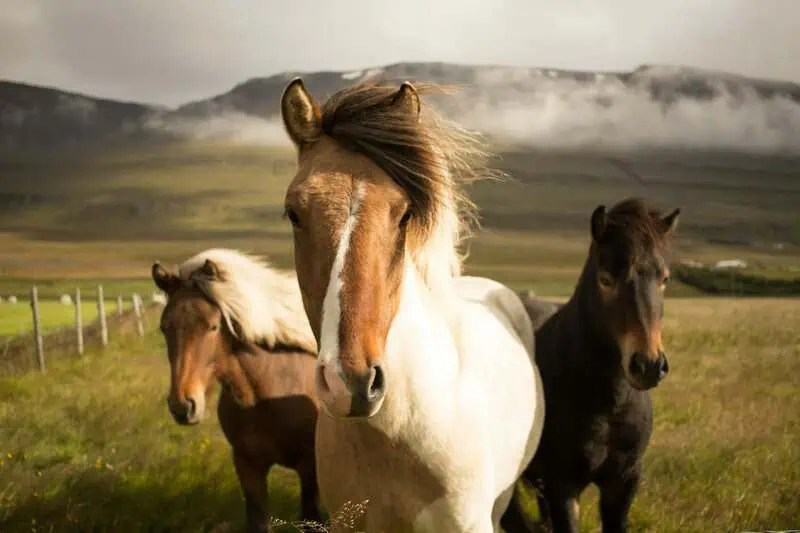
One interesting outcome of the study is how the combination of cattle and horses—two species often considered ecologically similar—creates more heterogeneity than either species alone. While both are large herbivores, their differences in diet, movement, and seasonal preferences mean that together they influence a wider range of vegetation types. In periods of resource scarcity, the divergence in space-use ensures that some areas receive more intensive grazing while others are left to regrow, promoting a patchwork of vegetation heights and densities. This patchiness is a key driver of biodiversity, providing niches for insects, birds, and smaller plants that thrive in varying light conditions.
Rewilding advocates often emphasize functional diversity—the idea that different species perform different ecological roles. The Danish study provides a clear illustration of this principle. Introducing multiple types of herbivores increases structural variation across the landscape, supporting a broader array of species and enhancing ecosystem stability.
Implications for European Rewilding
The Danish case study underscores the potential of trophic rewilding to maintain open landscapes without constant human intervention. By reintroducing year-round grazing, managers can curb vegetation densification, sustain light-demanding species, and foster heterogeneous habitats. This is particularly relevant in a European context where much of the natural landscape is no longer shaped by traditional land uses like rotational grazing or haymaking.
However, the research also points to challenges. The animals’ attraction to artificial infrastructure, such as shelters or water points, means that human placement of these structures can inadvertently concentrate grazing in specific areas. Thoughtful planning is required to balance animal welfare with ecological objectives. Similarly, understanding seasonal and species-specific behaviors is critical; a one-size-fits-all approach may not achieve the desired outcomes.
Perhaps most importantly, the study highlights how rewilding interacts with climate variability. Grazers not only shape vegetation structure but also modulate its response to extreme weather events. In a warming Europe, where droughts, heatwaves, and unusual precipitation patterns are becoming more common, large herbivores could play an increasingly important role in maintaining ecosystem function and biodiversity.
A Living Laboratory
Rewilding areas like the Danish reserve are more than just conservation projects—they are living laboratories, revealing how nature functions when allowed to self-regulate. Here, horses and cattle act as landscape engineers, creating open spaces and patchy vegetation that support a web of life far richer than any single species alone.
The study’s insights extend beyond Denmark. Across temperate Europe, many abandoned or minimally managed landscapes face rapid densification. Reintroducing large herbivores offers a tangible strategy to counteract this trend, preserving open habitats that have been vanishing since the end of traditional agricultural practices. Moreover, the nuanced understanding of space-use and vegetation dynamics gained from this research provides practical guidance for managers: which species to introduce, how to balance herd sizes, and how to integrate infrastructure without undermining ecological objectives.
Looking Forward
The Danish study also raises broader questions about the future of European ecosystems. As climate change accelerates and human influence continues to ebb and flow, managers will need to consider both ecological and behavioral factors in conservation planning. Grazers can be allies in maintaining landscape heterogeneity, but their impact depends on species composition, population dynamics, and the spatial configuration of resources.
Trophic rewilding is, in essence, an experiment in letting ecological processes govern themselves. By reintroducing species that were once lost, we can restore the interactions that shaped Europe’s landscapes for millennia. Horses and cattle may seem ordinary, even domesticated, but in the right context, they perform roles that no machinery or human management can fully replicate. They eat, they roam, they trample—and in doing so, they keep the land open, resilient, and alive with diversity.
As these herds wander the Danish reserve, they are writing a new chapter in Europe’s ecological story. One where wildness, in its broadest sense, is not just about animals running free—it’s about animals shaping the land itself, one patch of grass, shrub, or tree at a time. And for conservationists, scientists, and nature enthusiasts alike, watching this slow, subtle dance between grazers and vegetation offers both hope and a roadmap for rewilding a continent.