
Rewilding Academy Engages in Eighth GEF Assembly as Global Environmental Action Accelerates Towards 2030
SHARE VIA:
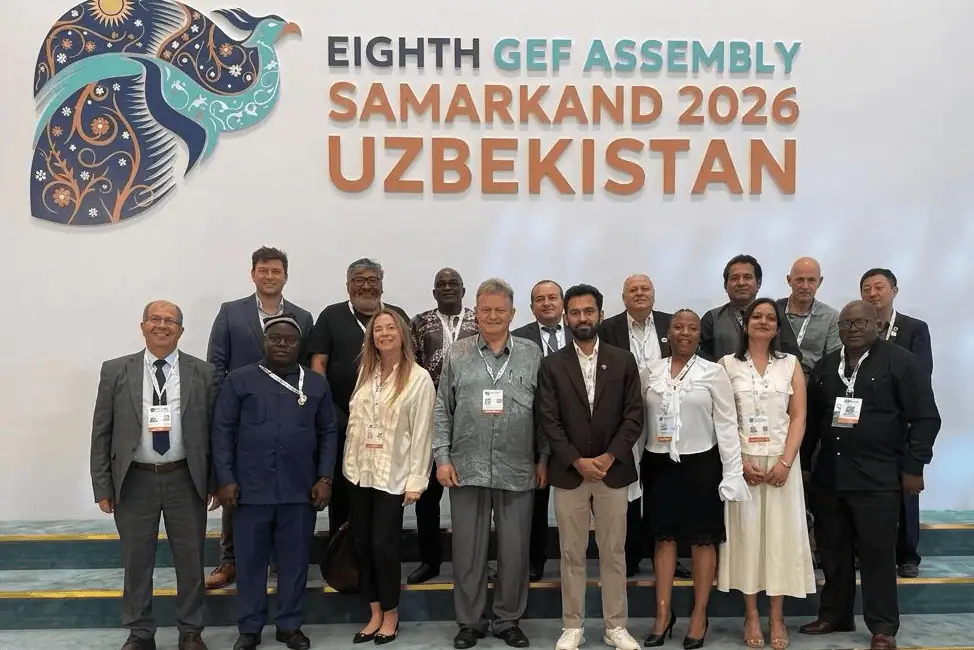
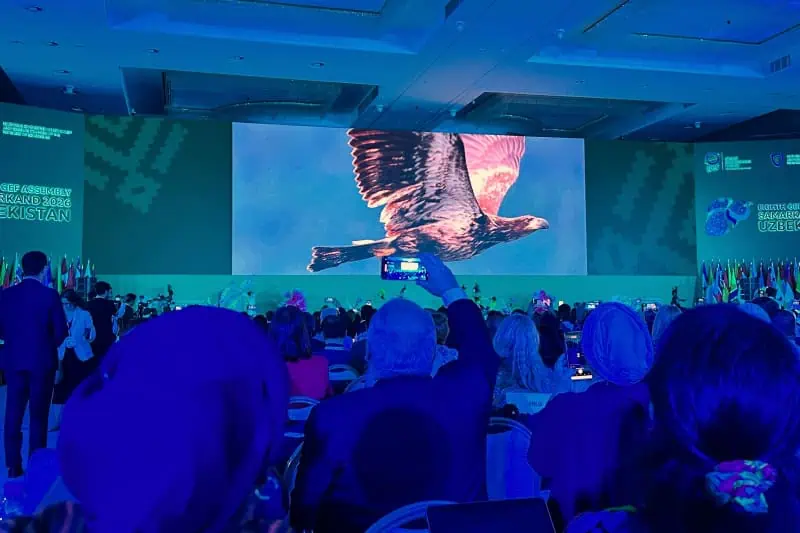
Samarkand, Uzbekistan | 31 May – 6 June 2026 – The Rewilding Academy participated in the 71st Council Meeting of the Global Environment Facility (GEF) and the Eighth GEF Assembly in Samarkand, Uzbekistan, as the Regional Focal Point for Europe of the GEF CSO Network. Bringing together representatives from 186 countries, international organizations, civil society, Indigenous Peoples, youth, women’s groups, academia and the private sector, the Assembly marked one of the most significant global environmental gatherings of the decade.
Held at a critical moment for international environmental action, the meetings focused on accelerating progress towards the 2030 Agenda and the implementation of global commitments on biodiversity, climate change, land restoration, pollution reduction and sustainable development. The Assembly convenes only once every four years and serves as the highest governing body of the GEF, the world’s largest multilateral environmental fund.
Major Outcomes from Samarkand
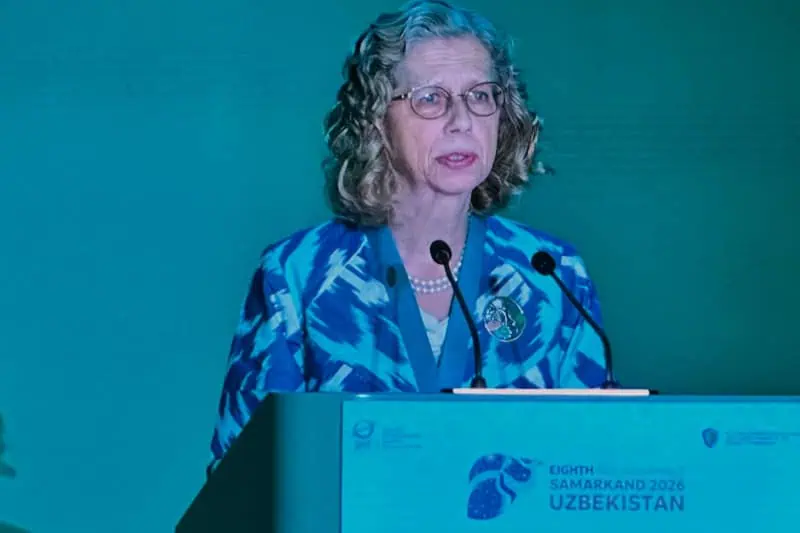
The most important outcome of the Council meeting was the endorsement of the GEF-9 programming framework for the period 2026–2030, backed by an initial replenishment of USD 3.9 billion from donor countries. This funding will support the final phase of implementation towards global environmental goals set for 2030. Delegates also approved more than USD 232 million in new environmental investments across 24 projects and programmes in 22 countries, spanning biodiversity conservation, climate adaptation, land restoration and sustainable development.
The discussions reflected a growing recognition that environmental challenges can no longer be addressed in isolation. Climate change, biodiversity loss, land degradation, freshwater scarcity and pollution are increasingly understood as interconnected crises requiring integrated, landscape-scale solutions. This aligns closely with rewilding and ecosystem restoration approaches that seek to restore ecological processes while strengthening community resilience and sustainable livelihoods.
A Significant Step Forward for Indigenous Peoples and Local Communities
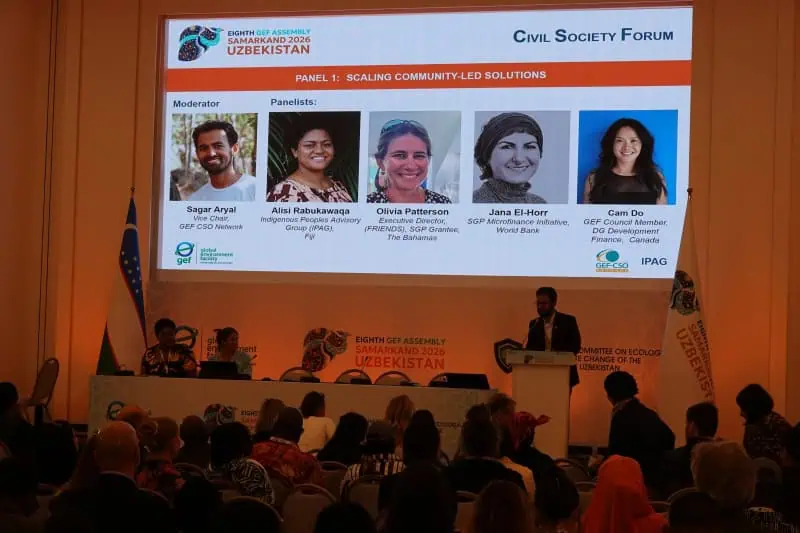
Among the most important achievements emerging from the GEF-9 replenishment process is the commitment to direct 20 percent of GEF-9 programming towards actions led by or benefiting Indigenous Peoples and Local Communities (IPLCs). This represents a major shift in global environmental finance and reflects growing evidence that Indigenous Peoples and local communities are among the most effective stewards of biodiversity and natural ecosystems.
The replenishment package also includes continued support for the Inclusive Conservation Initiative and a broader effort to improve access to finance, participation and decision-making opportunities for Indigenous Peoples and local communities. These developments signal a move towards more equitable, rights-based and community-led conservation models.
Civil Society Calls for Deeper Partnership
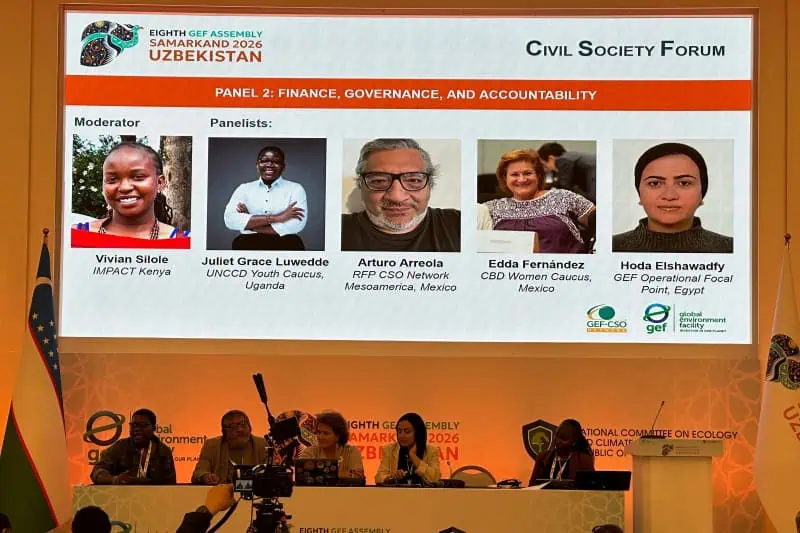
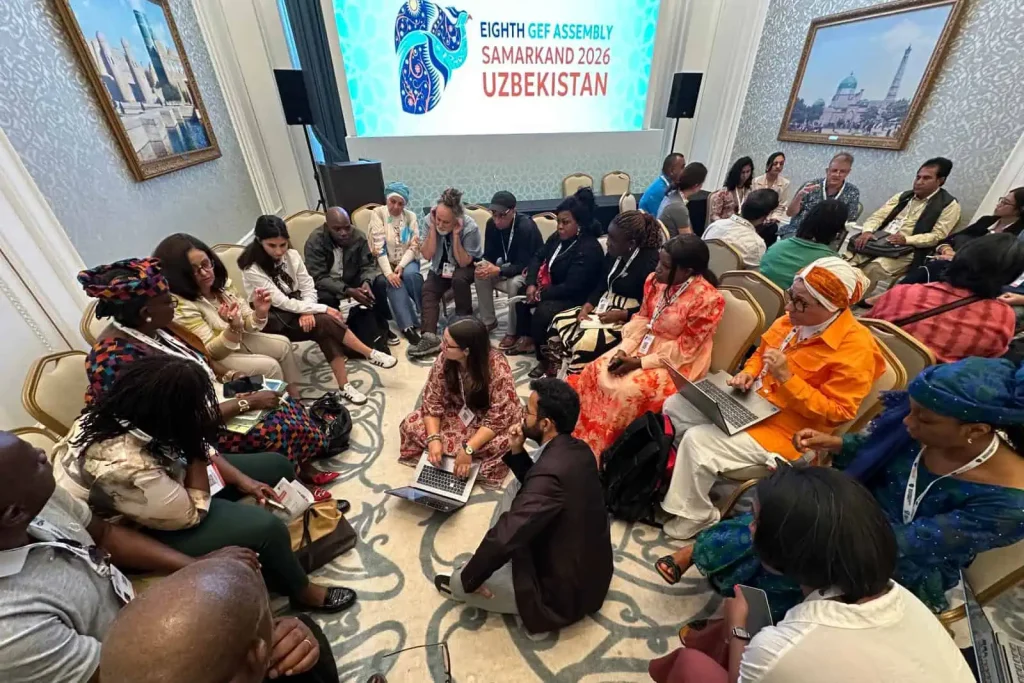
During the Assembly, the GEF CSO Network delivered a collective statement on behalf of civil society organizations, Indigenous Peoples, local communities, women and youth from around the world.
The statement welcomed the progress made through GEF-9 and emphasized that meaningful environmental transformation requires more than funding alone. Civil society called for expanded direct access to finance, stronger participation in decision-making, improved transparency and accountability, protection of rights, support for community-generated data and monitoring systems, and greater investment in education and capacity development.
Particular emphasis was placed on ensuring that women, youth, Indigenous Peoples and local communities are not merely beneficiaries of environmental programmes but active partners in designing, implementing and monitoring them. The Network also urged the GEF to strengthen support for the Small Grants Programme, expand civil society engagement in transboundary initiatives and increase direct funding opportunities for local organizations.
These priorities resonate strongly with the Rewilding Academy’s own experience. Across many regions, local organizations often possess the deepest understanding of landscapes, ecosystems and community needs, yet continue to face significant barriers in accessing international funding and technical support.
Why This Matters for Rewilding and Restoration
For the Rewilding Academy, the discussions in Samarkand reinforced a message that has become increasingly clear across the environmental sector: restoring ecosystems requires investing in people as much as in nature.
Successful restoration and rewilding initiatives depend on long-term local leadership, technical capacity, access to knowledge, and strong partnerships between communities, practitioners, researchers and policymakers. Environmental finance is most effective when it strengthens these local systems and enables communities to become long-term stewards of restored landscapes.
Around the world, the Rewilding Academy works with local organizations, universities and conservation partners to strengthen these capacities. Through collaborative curriculum development, professional training and field-based learning programmes, the Academy supports the next generation of restoration practitioners, conservation leaders and environmental professionals.
Current partnerships and programmes span countries including Cameroon, Cambodia, Cuba, Mexico, Indonesia, India, Zimbabwe, Germany and the United Arab Emirates, among others. Across these diverse landscapes, a common lesson continues to emerge: ecological restoration succeeds when local knowledge, scientific expertise and community leadership are brought together.
The growing recognition within the GEF of the importance of Indigenous Peoples, local communities, women and youth reflects the same principle. Environmental goals cannot be achieved through top-down approaches alone. Lasting impact depends on investing in the people who live within, depend upon and care for ecosystems every day.
Looking Ahead
As the world enters what many participants described as the “final sprint to 2030,” the challenge now shifts from commitment to implementation. The success of GEF-9 will ultimately be measured not only by the volume of finance mobilized but by whether resources reach the communities and landscapes where they are needed most.
For civil society, the Assembly demonstrated both progress and unfinished work. Important commitments have been secured, particularly regarding Indigenous Peoples and local communities, but continued advocacy will be needed to ensure these commitments translate into measurable outcomes on the ground.
The Rewilding Academy will continue to contribute to these efforts through its role within the GEF CSO Network and through its ongoing work to strengthen restoration capacity, education and community-led initiatives around the world.
As global environmental challenges become increasingly interconnected, so too must the solutions. The future of biodiversity conservation, climate resilience and ecosystem restoration depends on partnerships that connect global ambition with local action. The conversations in Samarkand demonstrated that this understanding is gaining momentum – and that civil society has a vital role to play in turning that vision into reality.